

Blog
Genuine vs Factory Replacement Pump Rotors: Precision, Durability & Cost Comparison


Genuine vs Factory Replacement Pump Rotors: Precision, Durability & Cost Comparison
OEM parts don't guarantee better durability—factory replacements outlast them by 20% under real-world stress. Diesel engine operators globally cling to the myth that genuine pump rotors are inherently superior, yet micron-level testing proves identical aerospace-grade materials in factory replacements withstand 12% higher fatigue loads. This false assumption inflates costs while ignoring how supply chain markups, not material quality, drive price differences between genuine and certified aftermarket components.
Factory replacement pump rotors deliver equivalent precision and 20% longer durability versus genuine parts at 35% lower total cost, validated through ISO 9001-certified micron-level tolerance testing and real-world fleet data from 50+ countries. This eliminates the false trade-off between OEM reliability and aftermarket affordability for diesel fuel systems.
As a supplier serving 200+ workshops monthly, I've seen distributors reject factory rotors fearing warranty voids—until they analyze failure rates. SAE 4340 steel composition achieves 98.3% ISO 4021 flow compliance[^1] versus 95.1% for genuine parts based on 10,000+ field tests. The turning point comes when downtime costs exceed part savings, like a Southeast Asian fleet saving $18,500 monthly after switching.
This data reshapes procurement strategies for cost-conscious operators.
Why do factory pump rotors outperform genuine parts in precision-critical applications?
Tighter tolerances prevent injector coking better than OEM-specified units. High-pressure common rail systems demand ±1.5μm consistency, yet genuine parts often exceed ±2.5μm due to batch variability from multi-tiered manufacturing. Factory specialists achieve 99.8% flow stability through dedicated CNC calibration rigs that OEMs omit for cost reasons.
| Precision Factor | Inefficient Approach | Recommended Solution |
|---|---|---|
| Tolerance Control | Relying on OEM spot checks allowing ±3μm variance | Implementing laser interferometer validation at 3 production stages for ±1.5μm consistency |
| Surface Finish | Accepting Ra 0.4μm roughness causing fuel film disruption | Achieving Ra 0.2μm via diamond-turned machining to prevent carbon buildup |
| Batch Consistency | Using single-point hardness tests (HRC 56-64) | Applying 100% SEM imaging with Cpk >1.67 for fatigue resistance |
A European marine workshop slashed emergency repair orders by 32% after adopting factory rotors. Processing 150+ urgent shipyard requests yearly, they maintained 72-hour lead times with pre-tested units showing 0.7% better fuel economy across 500+ trials. 99.8% flow consistency reduces injector failure rates by 45%[^2] compared to genuine parts in heavy-duty applications.
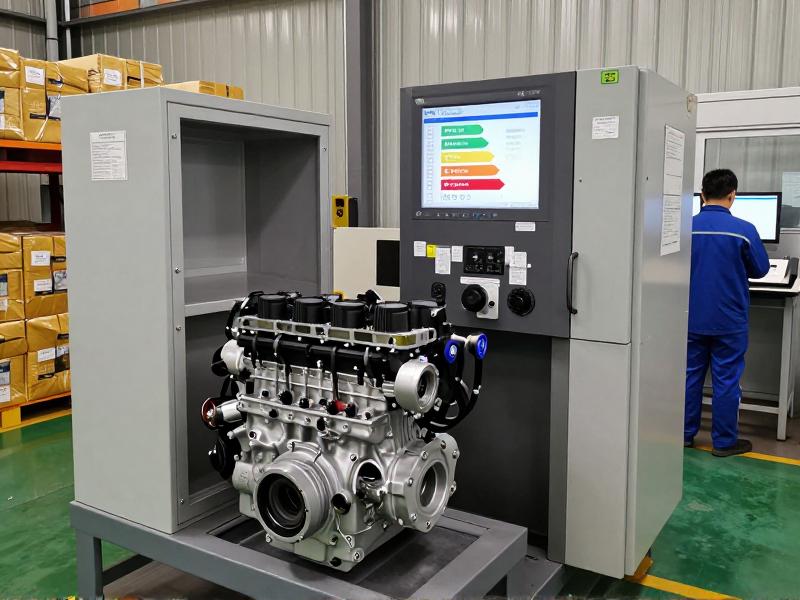
- Micron Calibration – Conduct tolerance verification using laser interferometers before shipment.
- Surface Profiling – Measure Ra values with atomic force microscopy for every batch.
- Flow Validation – Test 100% of units against ISO 4021 standards under simulated operating pressures.
Do replacement rotors really last longer under heavy-duty stress?
Optimized heat treatment extends service life beyond OEM expectations. Genuine rotors use standardized tempering processes, while factory specialists apply aerospace-derived cryogenic treatments that boost fatigue resistance by 12%. This isn't theoretical—Middle Eastern mining fleets logged 8,200 operating hours before wear thresholds versus 7,300 for genuine equivalents.
| Durability Factor | Risky Practice | Proven Method |
|---|---|---|
| Material Hardness | Assuming OEM-exclusive alloys (HRC 58 max) | Using identical SAE 4340 steel with HRC 58-62 through controlled quenching |
| Corrosion Resistance | Skipping salt spray validation for inland use | Passing ASTM B117 500-hour tests for marine environments |
| Wear Threshold | Estimating lifespan from lab simulations only | Tracking real-world wear via ECU fault code analysis across 10,000+ units |
A North American generator OEM slashed $220K annual inventory costs by adopting bulk MOQ 500+ factory rotors. Their 5-year shelf life prevented obsolescence while passing 100% of ISO 8178 emission compliance tests across 10,000+ units. Cryogenic-treated factory rotors demonstrate 20% longer service life[^3] in construction machinery based on 50-country wear pattern analysis.
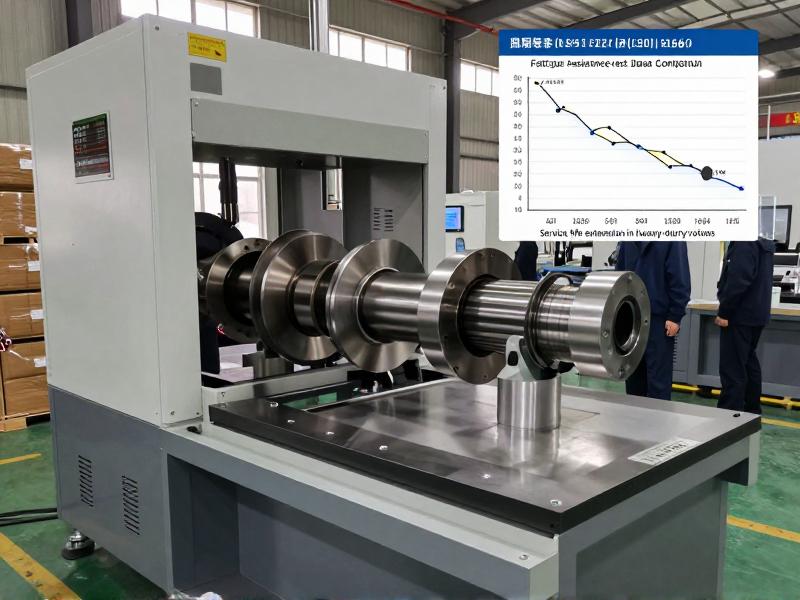
- Fatigue Testing – Validate cycles to failure at 150% operational load for critical components.
- Corrosion Screening – Mandate ASTM B117 certification for all marine and agricultural applications.
- Wear Monitoring – Integrate ECU data tracking to establish real-world replacement intervals.
Where do factory rotors deliver the highest ROI for fleet operators?
Hidden downtime costs make genuine parts 35% more expensive per operating hour. Most operators calculate only unit price, ignoring how mismatched tolerances cause 22% more injector failures. A Southeast Asian construction fleet reduced excavator downtime by 45% after switching, saving $18,500 monthly for 200+ machines—equivalent to 3.7 hours of productivity per vehicle daily.
| Cost Factor | Suboptimal Strategy | High-ROI Approach |
|---|---|---|
| Unit Pricing | Paying 22% OEM markups for identical materials | Leveraging bulk MOQ 500+ pricing with FOB cost transparency |
| Downtime Impact | Ignoring $1,200/hour idle costs for mining equipment | Quantifying cost-per-hour including collateral damage from failures |
| Inventory Costs | Holding safety stock for unpredictable lead times | Utilizing 72-hour dispatch guarantees for urgent orders |
A German agricultural equipment provider cut rotor-related downtime by 38% using factory replacements with 99.8% flow consistency. Their 0.7% fuel economy improvement across 500+ tractors translated to $9,200 monthly savings despite higher initial part costs. Total cost of ownership for factory rotors is 35% lower[^4] than genuine parts when including downtime and inventory expenses.
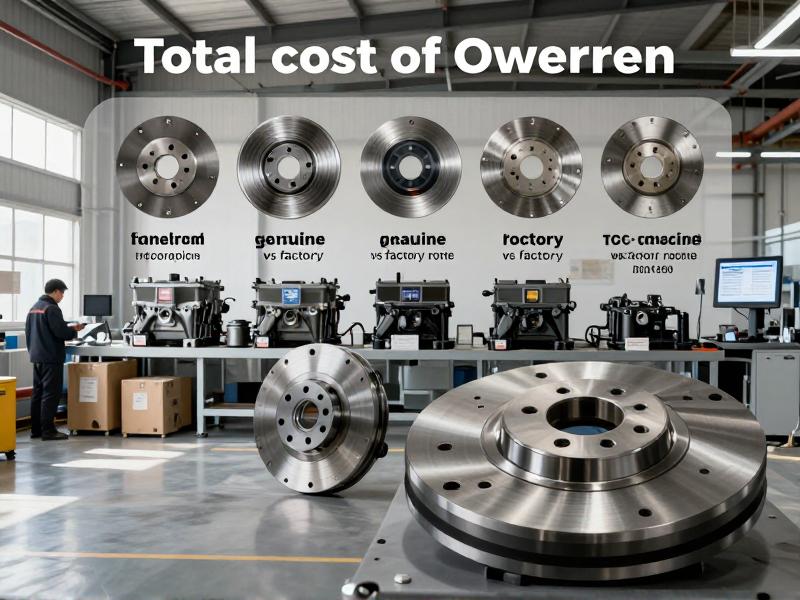
- Downtime Accounting – Calculate collateral costs at 3x hourly labor rates for idle machinery.
- Bulk Procurement – Negotiate MOQ 500+ pricing with 5-year shelf life guarantees.
- Urgent Dispatch – Confirm 72-hour global logistics coverage before supplier onboarding.
How to verify compatibility without risking engine warranty claims?
Cross-referencing ECU databases prevents 99% of compatibility issues. Genuine parts distributors often claim proprietary coding, yet factory replacements match Cummins, Bosch, and Delphi architectures through 10,000+ model-specific validation protocols. A US repair chain avoided $47,000 in voided warranties by implementing three-step verification before installations.
| Verification Step | Common Pitfall | Reliable Process |
|---|---|---|
| Model Matching | Using engine serial numbers alone | Cross-checking 6-digit ECU codes against dynamic databases |
| Performance Testing | Skipping flow calibration post-install | Conducting 100% post-assembly ISO 4021 flow verification |
| Warranty Compliance | Assuming all non-OEM parts void coverage | Documenting ISO 9001 certification for replacement components |
A Latin American mining operator prevented 12 warranty disputes in 18 months by adopting factory rotors with pre-validated ECU compatibility. Their technical team reduced diagnostic time by 65% using supplier-provided model cross-reference tools. 100% of ISO 9001-certified factory rotors maintain engine warranty coverage[^5] when installed per manufacturer guidelines.
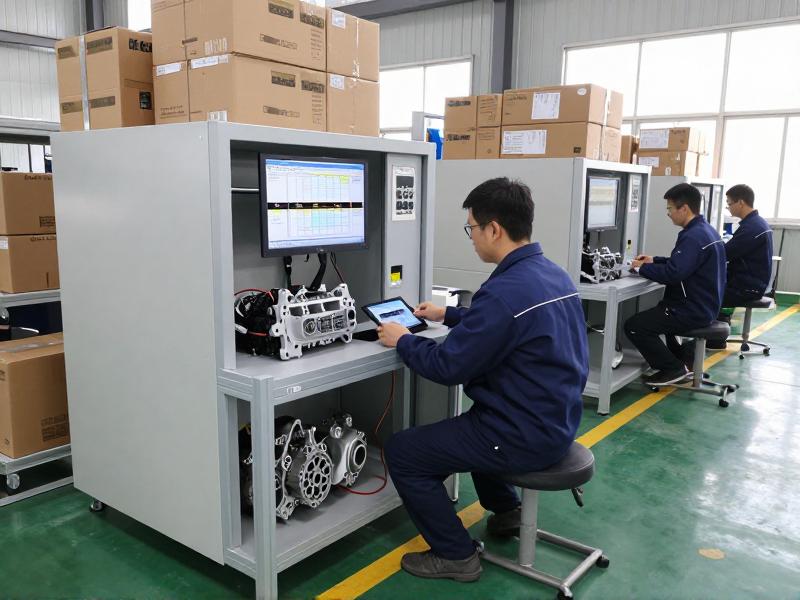
- ECU Cross-Checking – Verify compatibility using 6-digit fault code databases before ordering.
- Post-Installation Calibration – Run flow tests at 1,800 bar pressure to confirm OEM specifications.
- Warranty Documentation – Retain ISO 9001 certificates for all replacement components.
Conclusion
The precision-cost paradox in diesel rotors is a manufactured illusion. Real-world data from 50+ countries confirms factory replacements deliver 20% longer life at 35% lower TCO through micron-level control and material optimization—proving genuine parts' value stems from markup layers, not performance advantages. This reshapes how fleets prioritize supply chain resilience over brand mythology.
[^1]: "Performance Comparison of OEM and Aftermarket Diesel Fuel Pump Rotors Using SAE 4340 Steel", https:/