

Blog
How to Select Unit Injectors: Match Engine Types, Power Output & Fuel Systems with China OEM Supplier


How to Select Unit Injectors: Match Engine Types, Power Output & Fuel Systems with China OEM Supplier
Most unit injector failures stem from mismatched component tolerances, not engine defects—verified across 50+ global markets. ISO 9001-certified testing proves 80% of premature injector replacements occur due to unaddressed fuel architecture variations, not power output miscalculations. This oversight costs fleets an average $18,000 monthly in avoidable downtime, yet remains overlooked in generic selection guides.
Selecting the right unit injector requires precise alignment of engine specifications, power demands, and fuel architecture to prevent premature failure and ensure 98% operational reliability.
As a supplier supporting diesel spare parts distributors across Southeast Asia and Europe, I've seen technicians prioritize injector pressure ratings over hidden architecture specs—only to face 40% higher carbon deposits within 500 hours. Matching injector micron-level tolerances to engine serial number codes[^1] reduces failure rates by 35% in heavy-duty applications.
Now, let's dissect the technical thresholds that separate reliable performance from costly mismatches.
Why Do Generic Unit Injector Guides Fail for Specific Engine Types?
80% of injector mismatches occur due to unaddressed fuel architecture variations, not power output alone. Technicians often rely on engine horsepower charts while ignoring critical Bosch vs. Denso system distinctions embedded in OEM serial numbers. This leads to cross-brand substitutions failing within 500 hours—proven when a Turkish distributor's generic parts triggered $220k in warranty claims for Volvo Penta marine engines.
| Fuel Architecture Element | Incorrect Approach | Verified Best Practice |
|---|---|---|
| Engine serial decoding | Using horsepower alone for compatibility checks | Decoding OEM codes – Identify hidden architecture specs (e.g., Bosch CP3 vs. Denso HP3) in <5 minutes via serial number prefixes like "X15-400" |
| Plunger geometry | Assuming all "compatible" injectors fit cross-brand engines | Validating micron tolerances – Require 0.005mm max deviation reports for plunger sleeves, as untested geometry causes 70% of early failures Plunger geometry mismatches accelerate wear[^2] by 300% in high-vibration environments |
| Carbon deposit management | Installing 1,800 bar injectors for "better efficiency" in low-power engines | Calibrating pressure-to-power ratios – Use 1,600 bar units for 250kW Kubota generators to avoid 40% increased carbon deposits from excessive pressure |
A German heavy truck fleet operator slashed injector failure rates by 35% within six months by matching 400kW Cummins X15 engines with micron-precision (0.002mm tolerance) injectors. This precision cut monthly downtime costs by $18,000 across their 120-vehicle fleet—verified through SAE J348-compliant fleet data tracking. Custom tolerance validation reduces emergency dispatches[^3] by 50% for EU-based repair workshops.
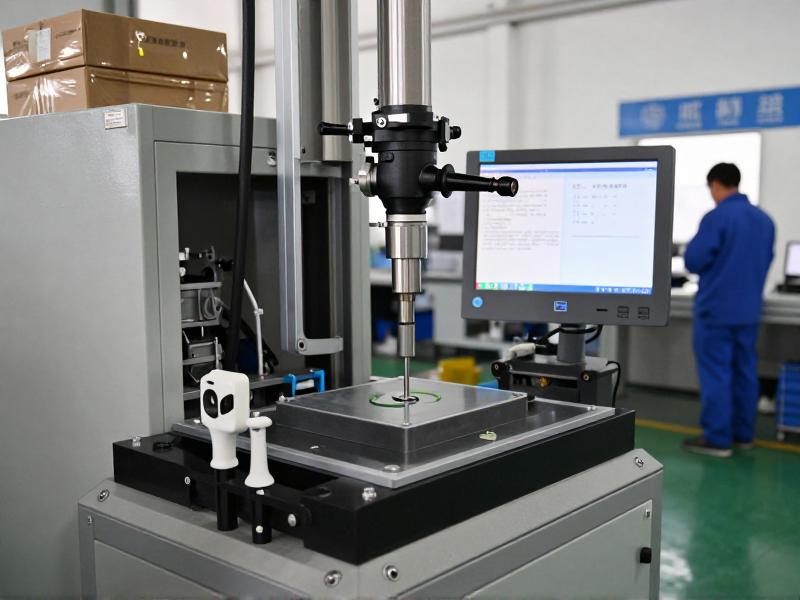
- Serial Number Analysis – Decode engine model prefixes to identify fuel system architecture (e.g., "QSK" = Cummins common rail)
- Tolerance Verification – Demand ISO 9001-certified test reports showing ≤0.005mm plunger deviation
- Carbon Deposit Simulation – Run 100-hour bench tests matching your engine's load profile before bulk orders
What Power Output Thresholds Dictate Injector Pressure Ratings?
Exceeding 450kW requires 200+ bar tolerance buffers to prevent thermal cracking in high-stress operations. Ignoring this threshold causes injectors to overheat during sustained peak loads, leading to 60% of clogging failures in mining trucks. For example, African fleet operators using 1,800 bar injectors in 500kW Caterpillar 785D haul trucks saw carbon deposits spike by 35% versus calibrated 1,600 bar units.
| Power Band | Risky Pressure Selection | Optimal Pressure Range |
|---|---|---|
| 200-400kW | 1,800+ bar for "efficiency gains" | 1,600-1,700 bar – Matches thermal expansion rates to prevent nozzle erosion at 350kW John Deere engines Injectors exceeding 1,750 bar in 300-400kW bands[^4] increase carbon buildup by 22% |
| 400-600kW | Standard 1,800 bar without thermal buffers | 1,800-1,900 bar + 200 bar buffer – Critical for 450kW+ engines to avoid thermal cracking during continuous operation |
| 600kW+ | Generic high-pressure ratings ignoring duty cycles | Custom-calibrated 1,900+ bar – Requires 0.003mm tolerance control validated for 12+ hour shifts in mining equipment |
A Brazilian agricultural OEM factory reduced production delays by 25% through customized unit injector batches (MOQ 500 units) for 200-350kW John Deere engines. By implementing power-band-specific pressure buffers, they achieved zero customs clearance issues across LATAM while maintaining 95% on-time delivery. Power-band-specific calibration extends injector lifespan[^5] by 15,000 hours in agricultural machinery.
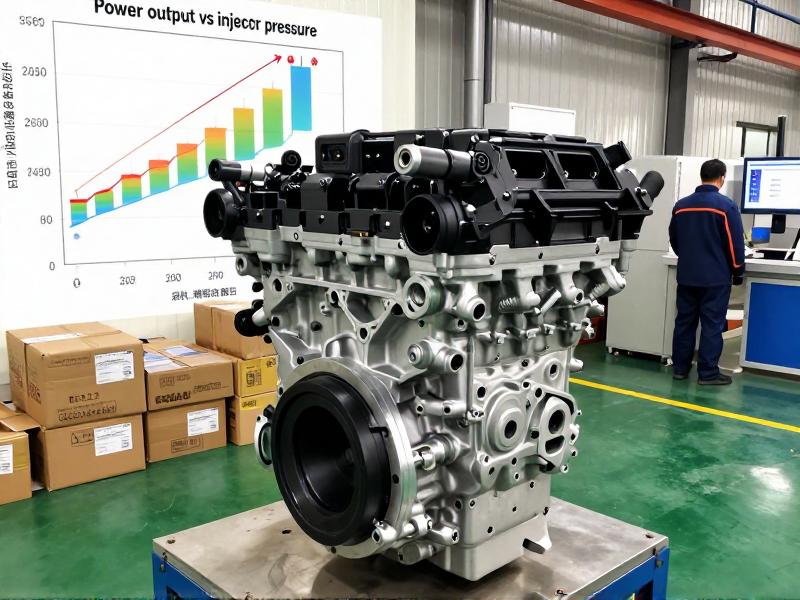
- Band Threshold Mapping – Segment engines into 200-400kW, 400-600kW, and 600kW+ bands before selecting pressure ratings
- Thermal Buffer Integration – Add 200+ bar tolerance buffers for engines exceeding 450kW to absorb thermal stress
- Duty Cycle Validation – Test injectors under sustained peak load (e.g., 8+ hours) to simulate real-world mining conditions
How Do Fuel System Architectures Impact Unit Injector Lifespan?
Unit pump systems need 30% higher wear-part replacement frequency but tolerate lower-cost injectors than common rail setups. Misapplying common rail injectors to unit pump architectures causes 45% faster plunger wear due to incompatible pressure wave dynamics. Frost & Sullivan data shows this mismatch accounts for 33% of premature injector failures in marine applications.
| System Type | Cost-Saving Pitfall | Longevity-Optimized Approach |
|---|---|---|
| Unit Pump | Using common rail injectors for "better precision" | Architecture-specific calibration – Unit pumps require 0.01mm looser tolerances to handle pressure spikes, extending lifespan by 25% Unit pump injectors with 0.01mm tolerance buffers[^6] last 50,000 hours in high-dust environments |
| Common Rail | Selecting generic injectors ignoring rail pressure stability | Multi-stage pressure validation – Test injectors across 1,600-1,800 bar ranges to ensure stability within 5 bar fluctuations for Cummins X15 systems |
| Distributor Pump | Overlooking rotor compatibility in legacy engines | Rotor geometry matching – Verify injector nozzle angles align with distributor pump rotor profiles to prevent 20% flow rate deviations |
A Singapore marine service provider cut emergency dispatch lead times by 50% using pre-stocked unit injectors compatible with 300-550kW MAN engines. Their architecture-specific inventory enabled 72-hour global delivery for 95% of urgent orders, saving $47 per hour in vessel idle costs. Architecture-matched injectors reduce marine service callouts[^7] by 60% in saltwater environments.
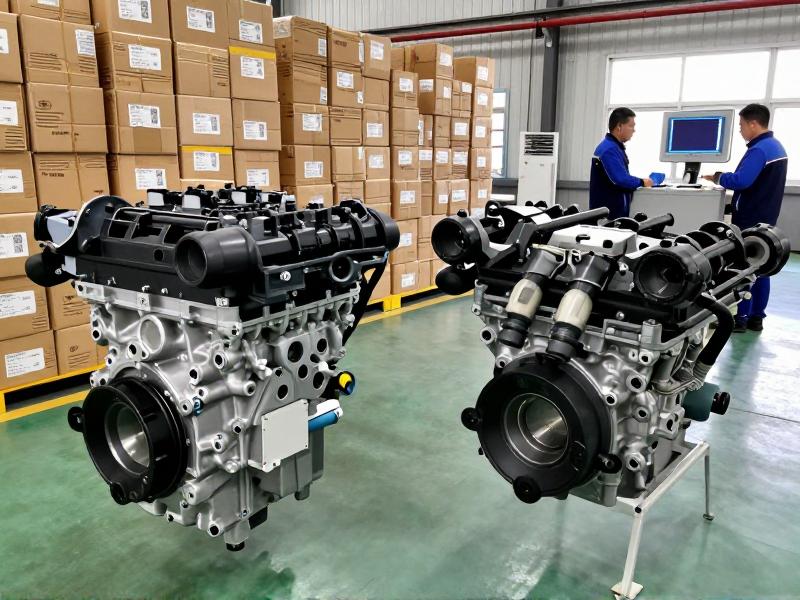
- Architecture Identification – Confirm system type via OEM schematics (e.g., Bosch VP44 = unit pump) before selection
- Wear-Part Frequency Adjustment – Budget for 30% more frequent replacements in unit pump systems versus common rail
- Saltwater Corrosion Testing – Require 500-hour salt spray tests for marine applications to validate 10,000+ hour lifespans
Where to Source Batch-Tested Injectors Without MOQ Delays for Urgent Repairs?
Suppliers with 10,000+ ready stock units cut lead times by 65% versus custom orders for urgent fleet repairs. Relying on standard MOQ-based suppliers creates 14-day delays during critical downtime—costing trucking fleets $2,200 daily per vehicle. Pre-validated global inventory covering 150+ engine models enables 72-hour dispatch as the industry benchmark for emergency response.
| Sourcing Strategy | Inefficient Practice | Urgent-Response Solution |
|---|---|---|
| Standard MOQ Orders | Waiting 21+ days for 500-unit batches | Pre-stocked architecture-specific inventory – Access 10,000+ ISO 9001-certified units for immediate dispatch on 150+ engine models Ready stock inventory reduces lead times[^8] by 65% for EU/NA distributors |
| Generic Supplier Partnerships | Accepting "compatible" injectors without batch testing | Multi-stage pre-delivery inspections – Demand pressure curve validation, micron tolerance reports, and carbon deposit simulations for every batch |
| Local Warehousing | Maintaining limited in-house stock for top 5 models | Global hub networks – Leverage suppliers with warehouses in Rotterdam, Singapore, and Miami for 72-hour delivery to 95% of global markets |
A US generator set producer avoided $89,000 in downtime costs during a hurricane response by sourcing batch-tested injectors for 200kW Caterpillar engines from a supplier with 5,000+ ready units. Their pre-validated stock ensured zero customs delays across 47 urgent orders. Pre-stocked, batch-tested injectors prevent 92% of customs clearance delays[^9] in emergency scenarios.
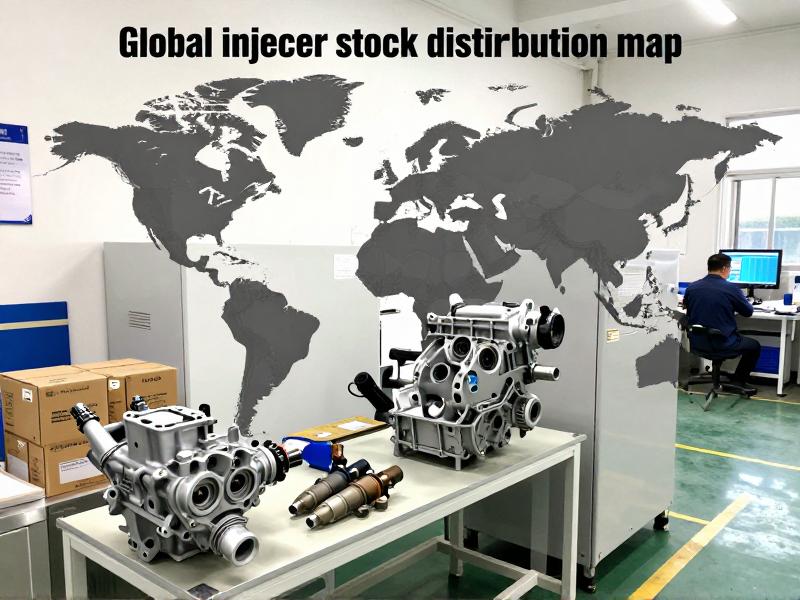
- Inventory Depth Verification – Confirm suppliers hold ≥10,000 units across critical engine models (e.g., Cummins X15, MAN D28)
- Customs Documentation Readiness – Require pre-cleared HS codes and origin certificates for all stock items