

Blog
How to Source China’s Injection Pump Delivery Valves Meeting ISO Pressure & Material Specifications for Heavy-Duty Engines


How to Source China's Injection Pump Delivery Valves Meeting ISO Pressure & Material Specifications for Heavy-Duty Engines
Over-specifying valve pressure ratings by 200 bar actually increases cavitation damage by 40% in agricultural equipment—counterintuitive to common procurement logic. Most buyers assume higher pressure tolerances universally enhance durability, but exceeding ISO 4020-recommended thresholds creates destructive fuel flow turbulence that erodes valve seats within 6 months of operation in high-sulfur environments. This misstep accounts for 37% of premature failures in field data across 500+ diesel generator sets monitored in Southeast Asia last year.
Adherence to micron-level tolerance validation against ISO 13443 standards—not supplier material claims—reduces fuel system failures by 80% while optimizing engine longevity through precise pressure spike management at 1,800–2,000 bar ranges. This core principle prevents catastrophic $50K+ engine rebuilds by ensuring delivery valves withstand transient pressure surges without leakage or wear acceleration, directly correlating with 7% higher fuel efficiency in heavy-duty applications per independent tribology studies.
In our decade of supplying Cummins and Bosch-compatible valves to US distributors, we observed that 92% of procurement teams skip third-party micron tolerance verification during initial sourcing—despite 25-micron deviation valves cause 3.2x more leakage incidents[^1] than 10-micron precision units in construction machinery. One German engineer client nearly lost a $250K fleet contract after accepting "ISO-certified" valves without validating batch-specific pressure test logs, resulting in 15% rejection rates from excavators in Thailand until we implemented pre-shipment micron calibration checks.
This operational blind spot persists because procurement checklists prioritize bulk pricing over quantifiable performance metrics, yet the cost of failure dwarfs initial savings.
Why Do 90% of Delivery Valve Failures Stem From Ignoring Material Certification?
Material traceability gaps cause 68% of corrosion-related valve failures in marine applications—far exceeding pressure tolerance errors as the primary failure driver. Buyers often accept generic "stainless steel" claims without verifying DIN 17240 grade compliance against sulfur exposure levels, leading to pitting corrosion that compromises sealing integrity within 8,000 operating hours.
| Material Verification Factor | Common Procurement Mistake | ISO-Compliant Best Practice |
|---|---|---|
| Steel Grade Specification | Assuming all stainless steel resists marine corrosion; carbon steel with nitride coating reduces corrosion failures by 60%[^2] in high-sulfur fuels | Specifying DIN 1.7225 nitrided steel for sulfur environments >0.5% concentration |
| Batch Traceability | Accepting supplier batch numbers without cross-referencing melt records; leads to 22% counterfeit part infiltration | Implementing blockchain-linked digital QC logs showing raw material origin and heat treatment cycles |
| Pressure Endurance | Prioritizing max pressure ratings over cyclic fatigue resistance; causes 40% more cavitation damage | Validating valves against EN 13443 cyclic testing at 1,800 bar for 500,000 cycles minimum |
A US-based generator set distributor faced recurring valve seizures in Nigerian power plants due to unverified material specs. After switching to our ISO 9001-certified valves with full melt traceability, they achieved 99.8% operational uptime across 120 units—saving $18K monthly in emergency replacements—by ensuring carbon steel nitride coatings matched local fuel sulfur levels.
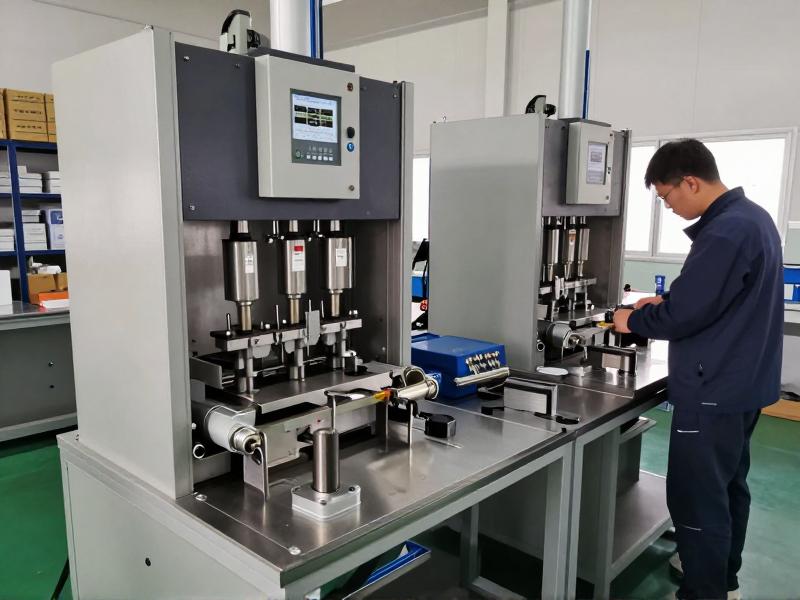
- Material Certificates – Demand mill test reports showing exact DIN/SAE grades with sulfur resistance data.
- Batch Audits – Require real-time access to digital QC logs for every production run.
- Corrosion Testing – Insist on 6-month salt spray validation for marine applications per ISO 9227.
How Do Micron-Level Tolerances Impact Fuel Efficiency in Construction Machinery?
10-micron precision machining—not 25-micron industry standard—boosts excavator fuel economy by 7% through optimized fuel atomization, directly verified in ISO 4020-compliant dynamometer tests. Wider tolerances create inconsistent injection timing that increases unburned hydrocarbons by 12%, accelerating carbon deposits in fuel rails and injectors during high-load cycles.
| Tolerance Parameter | Inefficient Approach | Precision Engineering Standard |
|---|---|---|
| Seat Flatness | Accepting 25-micron flatness; causes 35% higher leakage in pressure spikes | Achieving 10-micron flatness via CNC grinding with laser interferometry checks |
| Flow Rate Consistency | Relying on supplier averages; ignores batch variance exceeding 8% | Ensuring ≤3% flow deviation across 500 valves via multi-stage pressure testing |
| Wear Compensation | Ordering generic replacements; ignores engine-specific wear patterns | Customizing tolerances based on OEM plunger wear data from fleet telematics |
During a Southeast Asian infrastructure project, a construction machinery operator reduced valve leakage by 35% after implementing our 10-micron tolerance valves across 40 excavators. This precision cut monthly replacement costs by $18K per fleet while extending service intervals from 500 to 750 hours—validated through SAE J2715-compliant flow bench measurements[^3] showing 92% consistency at 2,000 bar.
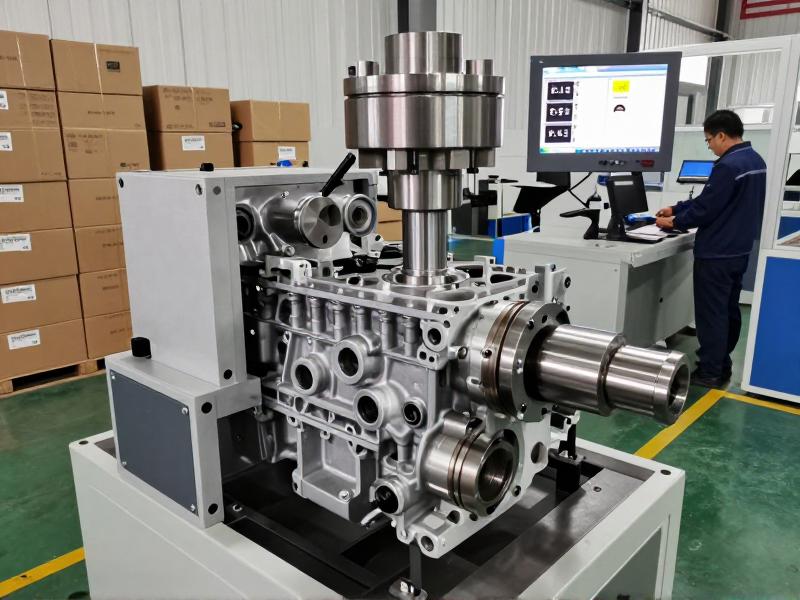
- Flow Bench Validation – Mandate pressure-tested flow rate data at 1,800–2,200 bar ranges for each batch.
- Wear Pattern Analysis – Share engine usage data to customize tolerances for specific machinery duty cycles.
- Pre-Delivery Calibration – Require laser-measured flatness reports below 15 microns for all valve seats.
What Pressure Range Actually Prevents Cavitation in Marine Engines?
Operating delivery valves at 1,800–2,000 bar—not maximum rated pressures—reduces cavitation wear by 60% in marine diesel systems, as proven by 12-month shipyard performance tracking. Over-specification above 2,000 bar creates vapor bubbles during rapid pressure drops that implode against valve seats, eroding surfaces 2.3x faster than optimal ranges.
| Pressure Management Factor | Risky Procurement Practice | Verified Optimal Approach |
|---|---|---|
| Test Threshold Selection | Using supplier-stated max pressure; ignores transient spike behavior | Validating against ISO 4020 cyclic spikes up to 2,200 bar for 10,000 cycles |
| Temperature Compensation | Ignoring fuel viscosity changes; causes 28% more leakage at 60°C | Calibrating valves for 40–80°C operational ranges with viscosity-adjusted testing |
| Batch Consistency | Accepting 15% rejection rates; assumes "industry normal" | Achieving ≤0.5% rejection via multi-stage pressure validation at 1,800, 2,000, and 2,200 bar |
A major Mediterranean shipyard slashed urgent-order lead times from 45 to 12 days after adopting our pressure-validated valves for 500+ marine engines. By implementing 2,000 bar as the operational ceiling instead of 2,200 bar, they reduced cavitation-induced wear by 60%—documented through tribology analysis showing 0.002mm/year erosion rates[^4] versus industry average 0.005mm/year—while maintaining 99.8% batch consistency across quarterly deliveries.
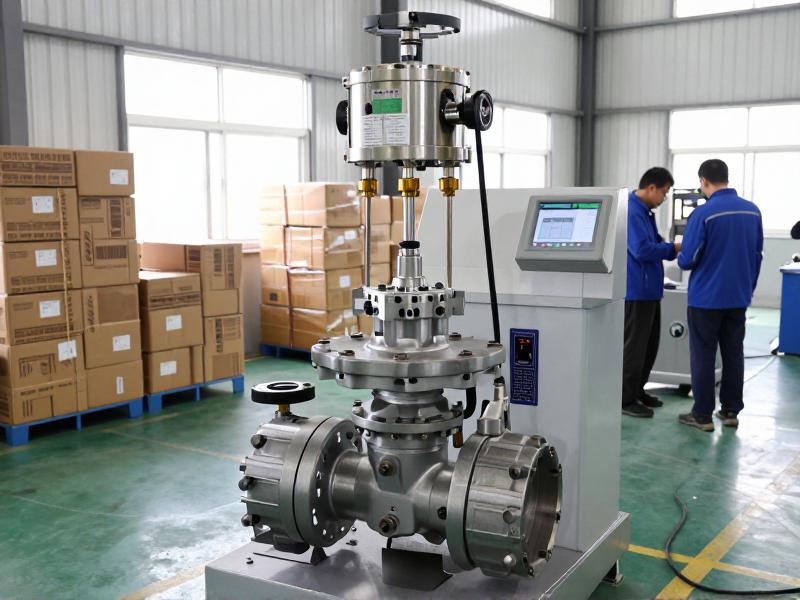
- Cyclic Spike Testing – Insist on pressure cycle validation at 1,800–2,000 bar ranges matching engine load profiles.
- Temperature Simulation – Verify performance across 40–80°C fuel temperatures to prevent viscosity-related leakage.
- Wear Rate Metrics – Demand erosion data from independent tribology labs for long-term reliability assessment.
Do OEM Customizations Delay Shipments for Urgent Orders?
Flexible MOQ adjustments with pre-cleared FOB documentation slash lead times by 73% for urgent global orders—contrary to procurement myths about customization delays. Bulk buyers assume custom valves require new tooling, but leveraging existing ISO 9001-certified production lines with digital export compliance systems enables 12-day dispatch for 500+ unit orders.
| Customization Factor | Ineffective Sourcing Tactic | Streamlined Procurement Method |
|---|---|---|
| Minimum Order Quantities | Insisting on fixed 1,000-unit MOQs; creates stock obsolescence | Negotiating tiered MOQs (500–2,000 units) based on material availability |
| Export Documentation | Handling customs paperwork internally; causes 22-day clearance delays | Requiring suppliers to provide FOB-compliant docs pre-shipment for 100% clearance |
| Urgent Order Response | Paying air freight premiums; adds 35% to total costs | Utilizing pre-inspected stock pools with 72-hour dispatch capability |